

Customer engagement in retail is all about the emotional connection a brand creates with its shoppers, not just during a sale, but across every single interaction. It’s the difference between a one-time transaction and a lasting relationship, turning a simple purchase into genuine loyalty. In today's market, that connection is a retailer's most valuable asset.
Why Customer Engagement in Retail Is Changing
The old retail playbook has been thrown out. It wasn't that long ago when the relationship between a store and its customers was purely transactional—an exchange of goods for money. The store called all the shots, broadcasting ads and promotions in a one-way street of communication.
Today, that one-way monologue has been replaced by a lively, two-way dialogue happening across countless channels. This massive shift is being driven by a new kind of shopper: one who is more informed, digitally connected, and has higher expectations than ever before. They don’t just want products; they want experiences. They expect personalization, demand transparency, and stick with brands that truly get them.
The real challenge for retailers now is figuring out how to start, maintain, and grow these conversations in a way that feels authentic and meaningful.
From Monologue to Dialogue
Think of old-school retail as a tightly scripted stage play where the brand performed for a quiet, passive audience. Modern customer engagement retail is more like an improv show. Customers are right there on stage with you, co-creating the experience, giving real-time feedback, and shaping the brand's story with every choice they make.
This new dynamic demands a complete rethinking of strategy. It's no longer about just pushing products off the shelves. Instead, retailers need to pull customers in.
- Build real connections: Go beyond generic marketing and create interactions that feel personal and genuine.
- Offer value at every turn: Provide helpful information, frictionless service, and experiences that people remember.
- Listen and adapt: Use data to actually understand what shoppers are doing and respond to their needs on the fly.
The Urgency of Transformation
The pressure to adapt is on. Recent studies show that a massive 88% of consumer product marketers are planning a major overhaul of their customer engagement strategies by 2025. But here’s the catch: only 35% are actually integrating customer engagement data into their core operational systems.
This disconnect shows just how hard it is to put good ideas into practice. Many retailers are stuck trying to connect their physical stores with their digital presence, leading to clunky, frustrating experiences for shoppers. This is exactly where new technology can make a world of difference.
Understanding the latest innovation in retail stores is key to closing this gap. Tools like electronic shelf labels are perfect examples, turning static, boring shelves into dynamic, interactive touchpoints where these crucial customer conversations can begin.
Decoding the Modern Retail Shopper
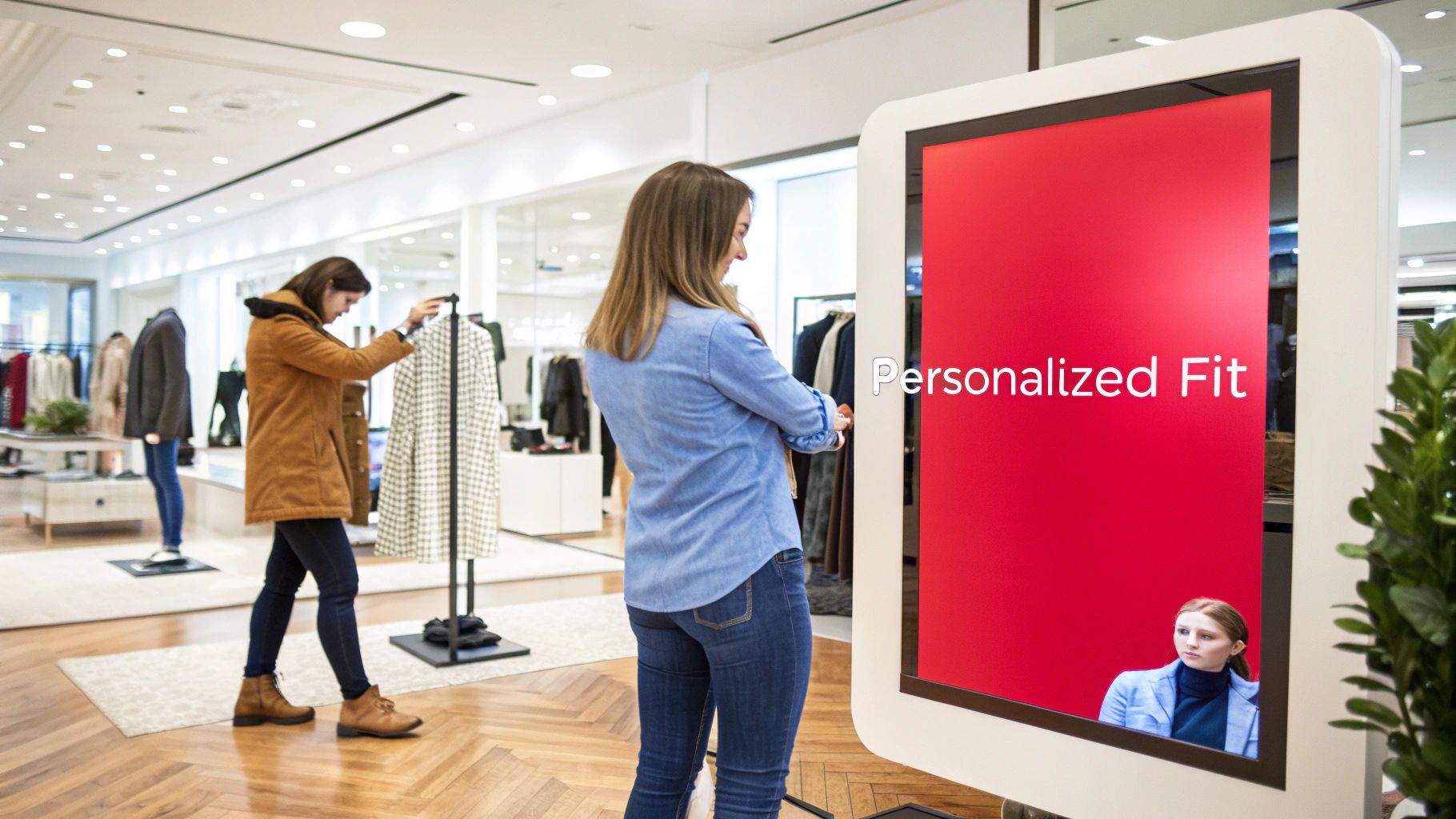
Before you can build any real connection with customers, you have to know who you’re talking to. The modern retail shopper—especially Millennials and Gen Z—plays by a completely different set of rules than any generation before them. For them, a purchase is rarely just a transaction. It’s a statement about who they are.
They aren't just buying a product; they're buying into a brand's story, its ethics, and its place in the world. This means that shallow marketing tactics and generic discounts just don't work anymore. To really succeed at customer engagement in retail, your strategy has to be built on a solid understanding of what actually makes these shoppers tick.
The Rise of Conscious Consumerism
One of the biggest shifts we've seen in retail is the undeniable demand for sustainability and ethical sourcing. Younger consumers are incredibly tuned in to their environmental and social impact, and they expect the brands they shop with to share those values. This isn't just a passing trend—it's a core part of their decision-making process.
This change in mindset has already made huge waves. The secondhand market, for instance, has seen an incredible 325% growth since 2021. On top of that, a massive 73% of Gen Z shoppers say they're willing to pay a premium for sustainable products, which proves that "value" means a lot more than just the price tag. You can find more data on these shifts over at SurveySparrow.
To connect with this audience, you have to show you're the real deal. That means:
- Transparent Sourcing: Being upfront about where your products come from and how they're made.
- Eco-Friendly Practices: Showcasing sustainable materials, less packaging, or carbon-neutral shipping.
- Authentic Brand Values: Making sure your company’s actions actually match the message you're sending.
Shopping in a Distracted World
Another huge change is simply how and where shopping happens. The whole idea of a dedicated "shopping trip" is fading fast. We’re now living in an age of ‘ambient shopping,’ where people browse and buy while doing a dozen other things at once.
Ambient shopping is the constant, often passive, act of browsing and purchasing that happens in the background of daily life—while scrolling social media, watching a stream, or even playing a game. The moment of inspiration and the point of sale can now happen anywhere, anytime.
This behavior completely changes the game. You're no longer just up against other retailers. You’re fighting for a sliver of attention in an endless sea of digital content.
This constant connectivity means you have to meet shoppers wherever they are. That requires a smooth, consistent presence across every channel, from social media checkouts to interactive in-store displays that can grab a fleeting moment of interest and turn it into a sale.
Loyalty Is Earned, Not Given
For these digitally-native generations, brand loyalty isn't a habit; it's a choice. They have countless options just a click away and will have no problem moving on after one bad experience. Loyalty has to be earned through consistent, positive, and personal interactions over time.
This is where understanding shopper behavior becomes your superpower. By looking at purchasing patterns, browsing history, and even how people move through your store, you can start to anticipate their needs and create experiences that feel like they were made just for them. Using big data for retail isn't a luxury anymore; it's a necessity for building the kind of deep, personal connections that turn one-time buyers into your biggest fans.
The Business Case for Better Engagement
Let's be clear: great customer engagement in retail isn't just a fluffy, feel-good concept. It's a powerful engine for business growth. When customers feel a real connection to your brand, their behavior shifts in ways that directly pad your bottom line. They don't just buy more; they become advocates, offer priceless feedback, and stick with you for the long haul.
Think of it like the difference between a tourist and a local. A tourist drops into town, sees the sights, and moves on. They might spend a little money, but their impact is shallow and temporary.
A local, however, is invested. They know the best spots, they tell their friends where to go, and they're part of the community's fabric. An engaged customer is your brand's local. They're a core part of your world, not just a passing visitor. Turning those transactional tourists into loyal locals is where the real magic—and money—is made.
From Vague Idea to Tangible ROI
The goal is to stop treating engagement as an abstract idea and start seeing it as a set of measurable results that hit your financial targets. When engagement is high, you'll see key numbers like customer lifetime value (CLV), average order value (AOV), and purchase frequency all start climbing.
A highly engaged customer buys 90% more frequently, spends 60% more per transaction, and is five times more likely to choose the same brand for a future purchase. Their value isn't just in one sale, but in their entire journey with you.
This proves that every bit of effort you pour into creating a better experience pays for itself many times over. The return isn't just in today's sales but in building a solid customer base that fuels sustainable growth. To really lock this in, understanding and applying key customer engagement best practices is essential.
Core Metrics to Quantify Engagement
If you want to prove the value of your efforts, you need to track the right data. Measuring customer engagement retail shows you what's actually working, where to invest your resources, and how your initiatives translate directly into revenue. These numbers tell the story of your customer relationships.
For instance, a low repeat purchase rate might point to a weak post-purchase experience. A high cart abandonment rate could mean there's a frustrating bottleneck at checkout. Monitoring these metrics lets you diagnose problems and make smart, data-driven decisions. This is also deeply connected to store operations; finding ways to improve operational efficiency can free up your team to focus on these high-value interactions.
To get started, you need a clear view of the essential metrics every retailer should have on their dashboard.
Key Metrics for Measuring Retail Customer Engagement
This table outlines the essential metrics retailers should track to measure the effectiveness of their customer engagement strategies, what each metric reveals, and how to improve it.
| Metric | What It Measures | Example Improvement Tactic |
|---|---|---|
| Customer Lifetime Value (CLV) | The total revenue a single customer is predicted to generate over their entire relationship with your brand. | Implement a personalized loyalty program that rewards repeat purchases and offers exclusive perks. |
| Repeat Purchase Rate (RPR) | The percentage of customers who have made more than one purchase from your store. | Send targeted post-purchase emails with complementary product recommendations. |
| Average Order Value (AOV) | The average amount a customer spends per transaction. | Use smart in-store signage or online prompts to suggest relevant add-ons or bundle deals. |
| Net Promoter Score (NPS) | A measure of customer loyalty, based on how likely they are to recommend your brand to others. | Actively solicit feedback after a purchase and respond to both positive and negative comments. |
| Cart Abandonment Rate | The percentage of online shoppers who add items to their cart but leave without completing the purchase. | Simplify the checkout process and offer multiple payment options to reduce friction. |
| Social Media Engagement | Metrics like likes, shares, comments, and mentions that indicate how customers interact with your brand online. | Run interactive campaigns, feature user-generated content, and respond quickly to comments and DMs. |
By keeping a close eye on these numbers, you can build an undeniable case for investing in customer engagement. Each data point helps you draw a straight line from your strategies to real financial outcomes, proving that building relationships is the smartest path to building revenue.
How to Boost In-Store Engagement
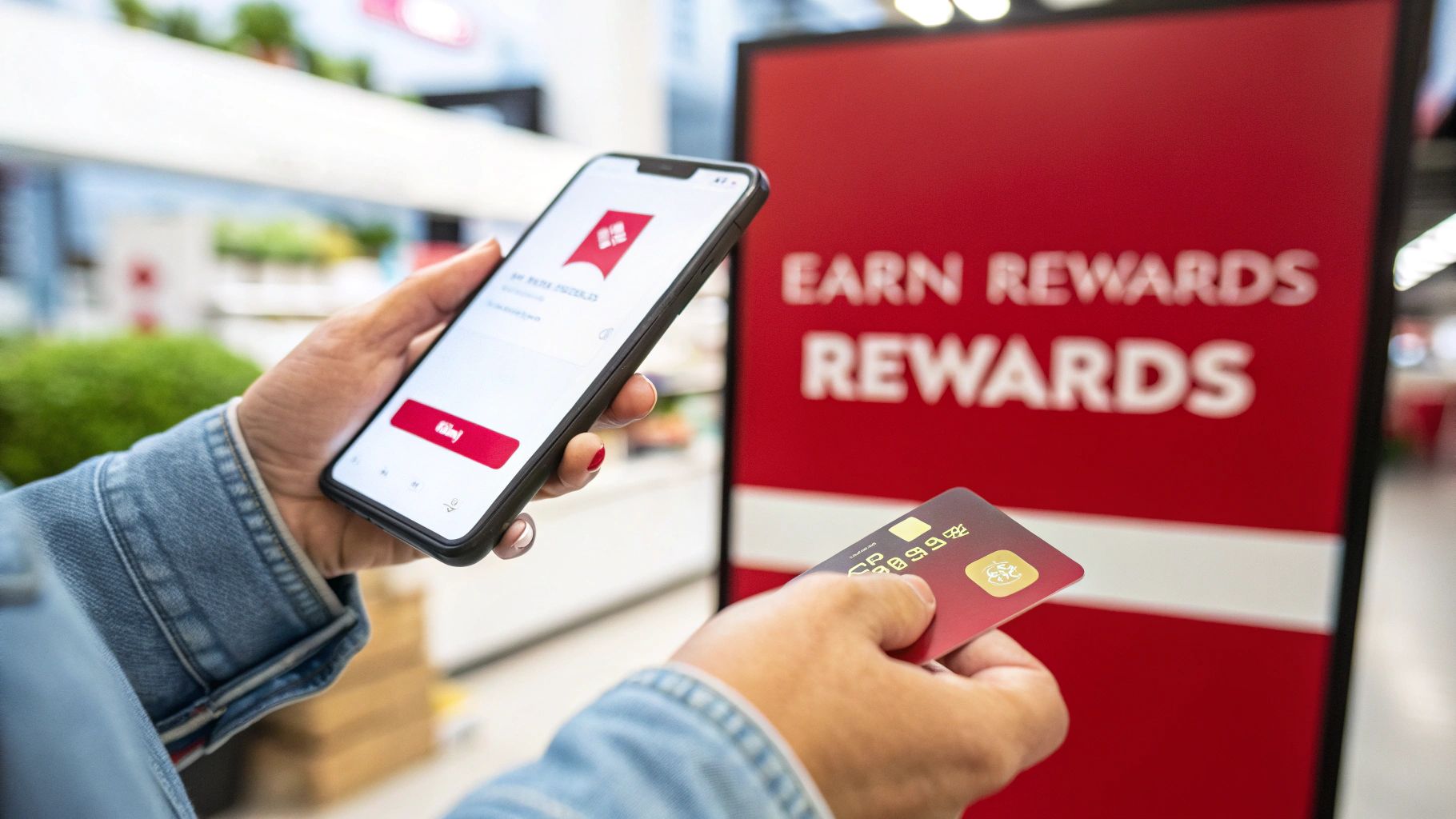
Let's be honest: just having products on a shelf isn't enough anymore. To compete today, your physical store can't just be a place to buy things—it needs to be an experience. It’s about creating an environment that’s interactive, genuinely helpful, and leaves a lasting impression.
The goal is to build a space that invites people to explore and connect. This could be anything from setting up a fun photo op to installing displays that actually let customers get hands-on. When you get this right, you don't just see a bump in customer engagement retail metrics; you start turning casual shoppers into people who come back again and again.
Creating an Interactive Shopping Environment
A static store is a forgettable one. To really grab a shopper's attention, you have to invite them to participate. That means giving them the information and tools they need to feel confident about what they're buying, without having to hunt down a busy employee.
Think of your store less like a quiet museum and more like a hands-on workshop. The more a customer can interact with your products and get answers on the spot, the more connected they’ll feel to your brand. Technology is what makes this possible, turning a passive stroll down the aisle into an active, informed journey.
Here are a few ways to make it happen:
- Dynamic Promotions: Use digital displays to run flash sales or highlight special offers. This creates a bit of excitement and a reason to buy now.
- Instant Information Access: Put QR codes on your shelves that link directly to product videos, how-to guides, or customer reviews.
- Real-Time Stock Visibility: Show shoppers exactly how many items are left. A little urgency can go a long way in nudging a purchase.
The Central Role of Electronic Shelf Labels
Electronic shelf labels (ESLs) are at the very heart of this in-store evolution. These aren't just fancy digital price tags; they are powerful communication hubs that connect your physical shelves to your entire digital world. They put a massive amount of information right where your customer needs it most—at the shelf edge.
ESLs are the key to unlocking a smooth, frustration-free shopping trip. They get rid of price discrepancies for good, free up your staff from the tedious task of changing paper tags, and open the door for all sorts of real-time promotions. For any retailer serious about upgrading their store, effective signage for retail is the perfect place to start.
With ESLs, a retailer can update a price across hundreds of stores in seconds. But more importantly, they can link a physical product to an endless stream of digital content, turning the simple shelf edge into a powerful tool for engagement.
A Shopper's Journey Reimagined
Let's see how this all plays out in a real-world scenario.
Meet Sarah. She’s in the market for a new coffee maker.
- Getting Her Attention: As Sarah walks down the aisle, her eye is caught by a flashing ESL highlighting a "Deal of the Day" on an espresso machine. The bright, dynamic screen cuts through the visual clutter and piques her interest.
- Diving Deeper: Curious, Sarah scans the QR code on the ESL with her phone. She’s instantly directed to a page with a video of the machine in action, a feature comparison with other models, and a long list of five-star reviews. She didn't have to Google a thing; the information was delivered right to her, at the exact moment she needed it.
- A Seamless Decision: The ESL also shows the current inventory: "Only 3 left in stock!" That little nudge creates a sense of urgency. Feeling confident and fully informed, Sarah puts the coffee maker in her cart without ever needing to look for help.
In that brief interaction, the store eliminated all the usual friction points. Sarah didn't get annoyed by a wrong price, feel lost without product details, or have to wait for an employee. The whole process was smooth and efficient—the very definition of great customer engagement retail. That kind of positive experience builds trust and makes it far more likely she'll be back.
Creating a Seamless Omnichannel Retail Experience

Today's customers don't think in terms of channels; they just see one brand. Their journey might start on Instagram, move to your website for some research, and end with a trip to your physical store to see the product for themselves. It’s a fluid, non-linear path, and they expect your brand to keep up every step of the way.
This is the whole idea behind an omnichannel strategy. It’s about crafting a single, unified customer experience where every touchpoint, whether online or in-store, works together seamlessly. You're moving beyond having separate, disconnected channels and instead building one continuous conversation with your shopper.
Think of it like an orchestra. In a standard multichannel setup, it's as if each instrument is playing its own tune, creating a disorganized mess. With a true omnichannel experience, everyone is playing from the same sheet of music, resulting in a beautiful symphony for the customer.
Bridging the Digital and Physical Worlds
Making this happen requires technology that can finally connect your digital storefront with your brick-and-mortar operations. The main goal is to get rid of the friction customers feel when they move from your app to your aisle, ensuring everything is consistent and convenient.
The scale of digital retail is staggering—and a huge opportunity. Global eCommerce sales are on track to hit $7.4 trillion, driven by 2.77 billion online shoppers. With AI predicted to handle 95% of all customer interactions by 2025, technology is completely reshaping customer engagement retail into a deeply connected journey.
To deliver on the omnichannel promise, you need tools that guarantee what a customer sees online is exactly what they find in your store.
How Electronic Shelf Labels Create Omnichannel Harmony
This is where electronic shelf labels (ESLs) come in. They are a cornerstone technology for any serious omnichannel strategy, acting as the physical bridge between your digital and in-store worlds. ESLs ensure the information on the shelf edge is always perfectly synced with your central database. This simple act builds a reliable and consistent experience for shoppers, no matter how they interact with you.
Here’s how ESLs directly contribute to a stronger omnichannel experience:
- Price and Promotion Consistency: You can instantly update prices and promotions across every single store to match what's on your website. No more frustrating price discrepancies for customers.
- Streamlined BOPIS Fulfillment: Staff can use visual cues on the ESLs to quickly find items for "Buy Online, Pick-up In-Store" (BOPIS) orders, which means faster fulfillment and happier customers.
- Enhanced Product Information: By adding QR codes or NFC chips to ESLs, you can link a physical product to a huge library of digital content, like customer reviews, how-to videos, or detailed sourcing information.
An omnichannel strategy isn’t about being everywhere; it's about being unified everywhere you are. Consistency builds trust, and trust is the foundation of lasting customer engagement.
For a truly seamless experience, it's also crucial to optimize your ecommerce website for maximum sales and conversions, ensuring every digital interaction is as smooth as your in-store one. When your online and offline platforms work in tandem, you create a powerful, unified brand presence.
You can also explore how other retail digital signage solutions complement ESLs to build an even richer in-store environment. By weaving these channels together, you make every interaction feel like part of one continuous, helpful conversation with your brand.
Answering Your Top Retail Engagement Questions
As you start exploring new ways to connect with shoppers, a lot of questions are bound to come up. That’s perfectly normal. Getting a handle on the common challenges and clearing up a few myths is a huge part of getting it right.
Let's dive into some of the questions we hear most often, with straight-to-the-point answers to help you move forward.
What’s the Single Most Important Thing for In-Store Engagement?
If you have to focus on just one thing, make it this: create a seamless and informative experience. Shoppers today are short on time and high on expectations. They want information, and they want it now. Anything that gets in their way—a missing price, an uninformed associate, a long checkout line—creates friction.
This is where technology like electronic shelf labels (ESLs) really shines. They instantly eliminate pricing errors, serve up rich product details with a quick QR code scan, and flash promotions in real-time. It’s all about removing those little points of frustration so customers can feel confident and in control of their shopping trip.
How Can Small Retailers Boost Engagement Without a Big Budget?
Great engagement isn't about outspending the competition; it's about out-caring them. Small retailers can win big by focusing on genuine personalization and building a real community around their brand.
- Get active on social media: Don't just post ads. Start conversations, share photos from your customers, and let people see the faces behind the business.
- Double down on personal service: A friendly, helpful conversation on the shop floor can build more loyalty than a million-dollar marketing campaign. It's your superpower.
- Invest in smart, not expensive, tech: You don't need a massive system overhaul. A simple loyalty app or using ESLs to handle pricing frees up your team to do what they do best: help customers.
The big takeaway here? For small businesses, authentic connection is your most valuable currency. Lean into what makes you unique and build on that foundation.
How Do I Actually Measure the ROI of Engagement Tech Like ESLs?
Tracking the return on an investment like ESLs is a two-part story. You've got the hard numbers and the softer, but equally important, gains. You need to look at both to see the full impact.
On one hand, you have the direct savings, which are easy to track. Think of the hours your staff gets back from not having to manually change paper tags, or the money you save by eliminating pricing errors. On the other hand, you have the indirect growth. Are people adding more to their baskets? Are conversion rates climbing because product info is right there on the shelf? Are your customer satisfaction scores going up? Over time, these improvements directly lead to more repeat visits and a higher lifetime value for each customer.
What’s the Real Difference Between Multichannel and Omnichannel?
This question comes up all the time, and the distinction is a big deal. Think of it this way:
Multichannel is having multiple places for customers to shop—a website, a physical store, a mobile app—but they all work in their own separate lanes. The website doesn't really know what the store is doing, and vice versa.
Omnichannel, however, weaves all those channels together into a single, cohesive experience. It’s when a customer can browse for a product on your app, see that it’s in stock at their local store, buy it online, and swing by to pick it up an hour later without a single hiccup. Omnichannel puts the customer's journey at the very center of everything, not your company's departments.
Ready to build a store experience that truly connects with your customers? See how ESLtags can help you bridge the gap and drive real results. Explore our solutions today.


Leave a Reply
Your email is safe with us.