

For a long time, sustainability in retail was seen as a "nice to have"—something you'd add on later, like a fresh coat of paint. But those days are long gone. Today, sustainability isn't an add-on; it's the very foundation of a modern retail business.
Trying to operate without a genuine commitment to it is like building a skyscraper on sand. It might look impressive for a moment, but it lacks the structural integrity to withstand the pressures of the modern market and a more conscious consumer base.
Why Sustainability in Retail Is No Longer Optional
This massive shift is being driven by shoppers who are more informed and value-driven than ever before. They’re looking beyond the price tag, digging into a brand's environmental impact and ethical standards before they even think about making a purchase.
What was once a corporate social responsibility talking point has now become a critical driver of brand loyalty and, frankly, survival.
The Power of Consumer Demand
The numbers don't lie. Customers are voting with their wallets for a greener future. A staggering 73% of global consumers say they are willing to change their consumption habits to reduce their environmental impact.
This is putting immense pressure on retailers to get serious about their sustainability goals, whether that means slashing carbon emissions or switching to fully recycled packaging. This consumer-led movement is forcing brands to be transparent and accountable. Vague promises just don't cut it anymore; shoppers want to see real, measurable action.
"For today's retailers, embracing sustainability isn't just about ethics—it's about survival and relevance. It's the new cost of entry into a market where purpose is paramount."
To really get a sense of the urgency, it helps to understand the intrinsic links between waste management and climate change. For retailers, this connection forces a hard look at everything, including day-to-day store operations.
Take paper price tags, for example. The constant cycle of printing, distributing, and tossing them out creates a ton of waste. Switching to modern solutions like E-Ink signage can eliminate that paper waste entirely, making stores both more efficient and more sustainable.
Building Your Sustainable Retail Framework
Shifting from just talking about sustainability to actually doing it takes a plan. A solid strategy for sustainable retail stands on three core pillars, each tackling a different, critical part of how modern business works. Think of it like a three-legged stool—if one leg is shaky, the whole thing topples over. By building up these three areas, you can create a business that’s not just responsible, but also incredibly resilient.
The first step is always to look inward at your own operations and the path your products take before they even hit your shelves. This is where you build a foundation of trust.
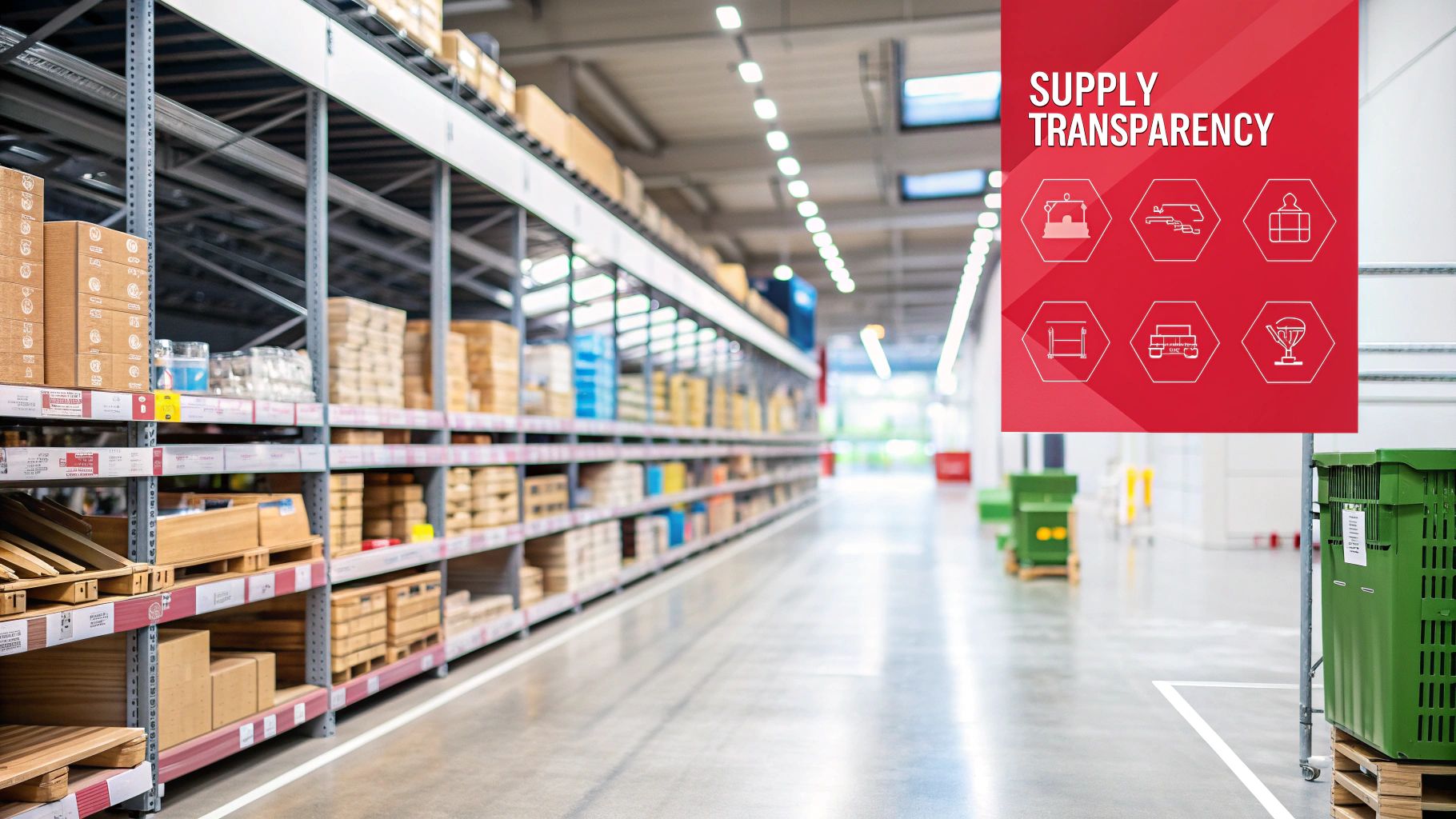
Create Transparent and Ethical Supply Chains
An ethical supply chain is the absolute backbone of a truly sustainable retail business. This means going way beyond just transactional relationships with your suppliers. It's about building real partnerships based on shared values and mutual respect.
That means guaranteeing fair labor practices, safe working conditions, and living wages for every single person who has a hand in creating your products.
Transparency is everything here. Shoppers are savvier than ever and want to know exactly where their products come from. Using technology to trace materials all the way from the source to your store doesn't just satisfy customer curiosity; it helps you spot and fix major risks, like forced labor or environmental shortcuts, deep within your network.
Adopt Circular Economy Models
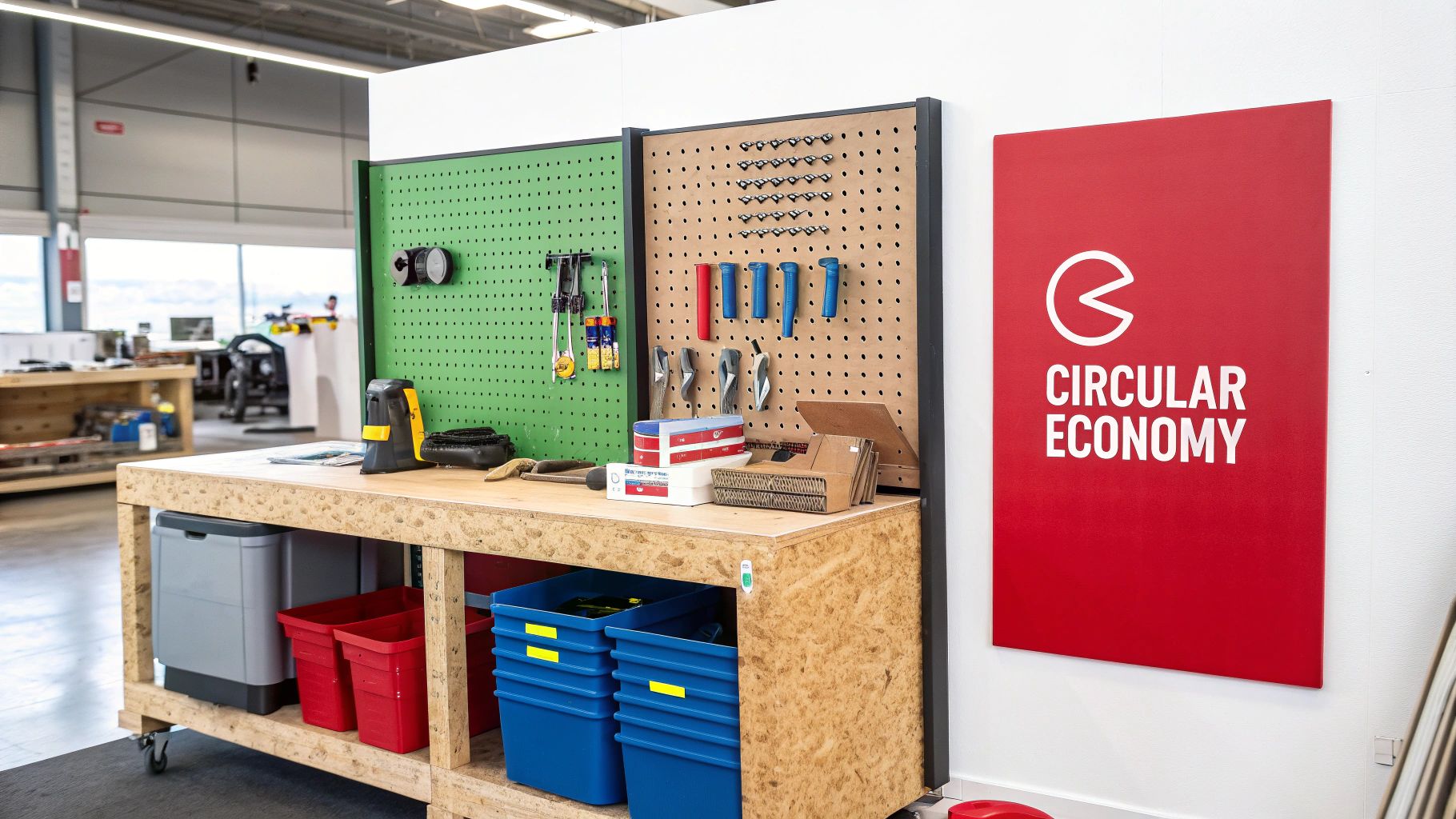
The old "take-make-dispose" model of retail is fundamentally broken and wasteful. The circular economy presents a much smarter path forward by designing waste out of the picture from day one. Instead of creating trash, this approach keeps products and materials in use for as long as possible, turning what used to be garbage into a valuable resource.
It’s easier than you might think to bring circularity into your business:
- Product Take-Back Programs: Invite customers to return old items so they can be recycled, refurbished, or disposed of properly. Patagonia’s Worn Wear program is a fantastic example of this in action, giving old gear a second chance at life.
- Designing for Durability: Focus on creating high-quality products that are actually built to last and are easy to repair. This simple shift dramatically cuts down on the need for constant replacement.
- Rental or Subscription Services: Give customers access to your products without them having to own them outright. This model is already taking off in industries like fashion and electronics.
Adopting these models does more than just keep stuff out of landfills. It builds incredible customer loyalty by offering more value and responsible choices for the end of a product's life.
Systematically Reduce Your Carbon Footprint
A retailer’s carbon footprint is massive, stretching from the energy used in warehouses and delivery trucks right down to the lightbulbs in the store aisles. A huge piece of any sustainable framework is getting smarter about operational efficiency to shrink that environmental impact. This really boils down to a two-pronged attack on energy and logistics.
To truly get a handle on sustainability, retailers need to focus their efforts on several key areas. The table below breaks down the core components of a solid sustainable retail framework, outlining the main goal for each pillar and a few common initiatives to get started.
Core Components of a Sustainable Retail Framework
| Pillar | Primary Goal | Example Initiatives |
|---|---|---|
| Ethical Supply Chains | Ensure fair labor, transparency, and responsible sourcing from raw materials to final product. | Implement supplier codes of conduct, use blockchain for traceability, and partner with fair-trade certified sources. |
| Circular Economy | Design out waste and pollution by keeping products and materials in use for as long as possible. | Launch product take-back/recycling programs, offer repair services, and explore rental or subscription models. |
| Carbon Footprint Reduction | Minimize energy consumption and greenhouse gas emissions across all business operations. | Switch to renewable energy, optimize delivery routes, and invest in energy-efficient store technologies (e.g., LED lighting). |
By systematically addressing these pillars, a business can create a holistic strategy that not only meets consumer demand for responsible practices but also builds long-term operational resilience and brand value.
A critical area for innovation is found in packaging. Exploring options for sustainable packaging for food can dramatically reduce plastic waste, a major contributor to environmental pollution in the grocery sector.
Fine-tuning logistics—like optimizing delivery routes and getting smarter with inventory management—slashes fuel consumption and emissions. This is an area where automation in the retail industry makes a massive difference, helping to streamline processes and cut waste.
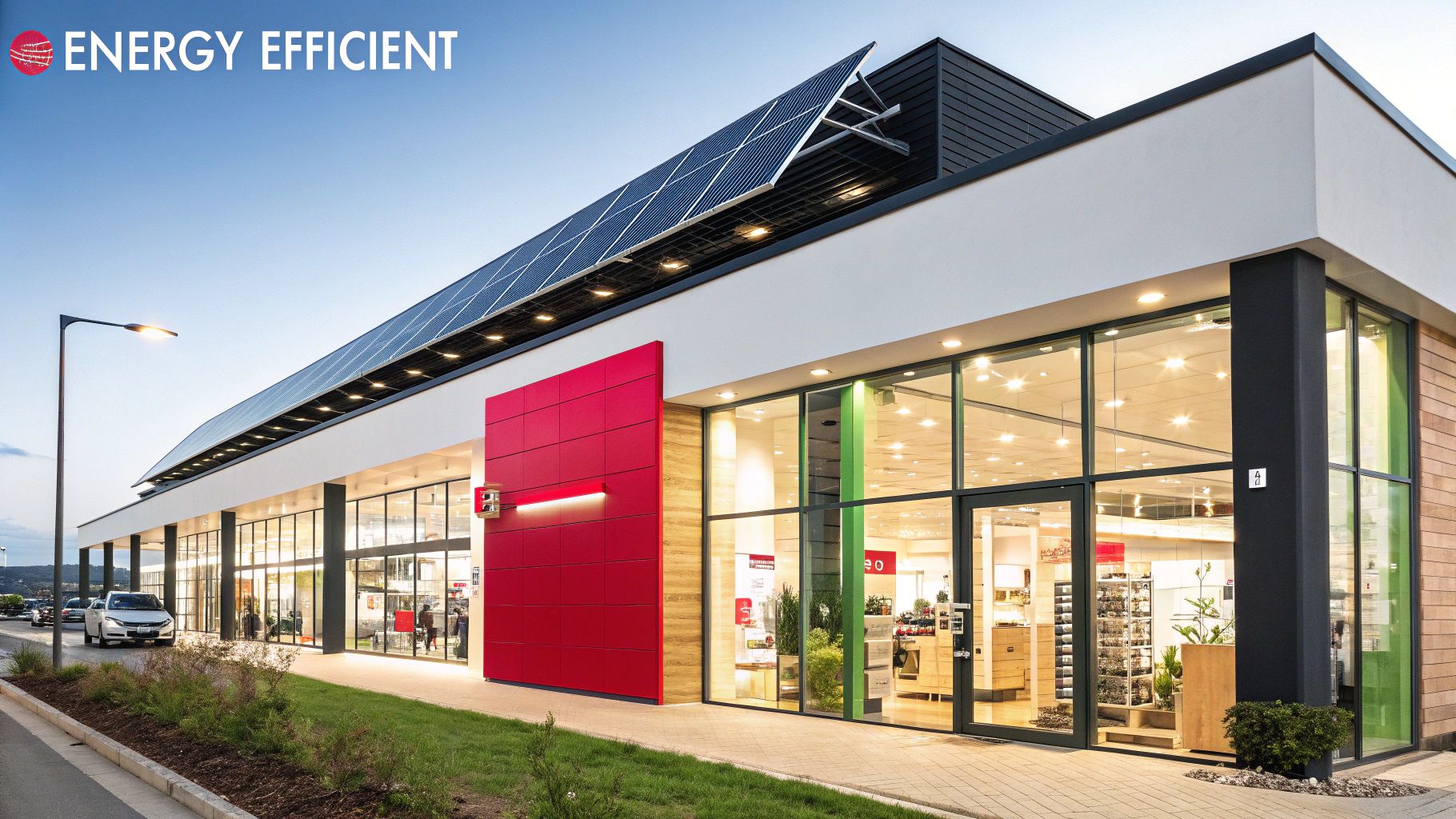
On top of that, investing in energy-efficient tech for your physical stores, like LED lighting, smart thermostats, and even solar panels, can lead to huge long-term cost savings and a serious reduction in your overall carbon output.
How Conscious Consumers Are Reshaping Retail
Every time you walk into a store or browse products online, you’re seeing the fingerprints of a new kind of shopper. Millennials and Gen Z aren’t just window shopping—they’re scrutinizing brands for their environmental and ethical track records.
This mindset shift has flipped sustainability from a line item in the budget into a driver of growth. Brands that align with these values earn fierce loyalty. Those that don’t risk fading into the background.
The Business Case For Meeting Consumer Values
When shoppers start with values, retailers need to follow suit. The numbers speak for themselves:
- 72% of global consumers are willing to pay more for sustainable goods.
- 34% are more inclined to choose products proudly labeled with their eco-credentials.
Discover deeper insights in our roundup of conscious consumer statistics on The RoundUp.
Investment in green initiatives isn’t a costly diversion—it’s a straight path to new revenue and brand resilience. By matching the priorities of these shoppers, businesses unlock fresh growth and a sturdier market position.
"Authenticity is the new currency. Today's consumers can spot greenwashing a mile away. True loyalty is earned through transparent actions, not just clever marketing campaigns."
Authentic Storytelling And Transparent Communication
Numbers and credentials only go so far. To truly connect, you need a story—one that includes the wins and the setbacks.
After all, a brand that lays its cards on the table builds more than trust. It builds community. And that communal spirit is central to modern retail customer engagement.
Here are a few ways to share your sustainability story effectively:
- Share Your Progress: Post clear data points and milestones—carbon footprint cuts, supply chain improvements, waste-diversion rates.
- Tell Supplier Stories: Introduce the farmers, artisans, and communities behind your products. Show the human side of ethical sourcing.
- Be Open About Challenges: Admit where you’ve hit roadblocks. Customers appreciate honesty, and transparency turns critics into partners.
By weaving these elements into your narrative, you transform transactions into shared purpose. That’s how you foster loyalty that lasts through every market twist.
Tackling Sustainability in E-commerce and Grocery
While "sustainability" is a goal across the entire retail industry, it's not a one-size-fits-all problem. The challenges look wildly different in the fast-paced worlds of e-commerce and grocery.
Each sector faces its own unique hurdles that demand equally unique solutions—from the mountain of cardboard on your doorstep to the fresh produce on store shelves. The first step to making real progress is understanding what we're actually up against.
For e-commerce, the most obvious issue is packaging. We've all seen it: the boxes, plastic mailers, and bubble wrap from online shopping create a massive stream of waste. But it's not just the box. The last-mile delivery—that final, often inefficient, leg of a product’s journey to the customer—is a major environmental headache.
Then there's the messy business of returns. Processing returned items is a logistical nightmare for retailers, but it also doubles the transportation emissions and, far too often, results in perfectly good products getting tossed in a landfill.
Challenges in the Grocery Aisle
Shift your focus to the grocery store, and the conversation immediately turns to one critical issue: food waste. It’s staggering how much food is lost or thrown away between the farm and the fridge, burning through resources and pumping out greenhouse gases. In this environment, precision and efficiency are everything.
At the same time, shoppers are pushing grocers to do better. They want locally grown produce and ethically raised products. This shift forces grocers to build transparent, nimble supply chains that can deliver on these standards without compromising on freshness or price. It's a tough balance to strike, but it's where the industry is headed.
The online grocery market is set to explode, projected to hit $334 billion globally by 2025. This growth is fueled by our demand for convenience and a growing awareness of just how much food we waste. You can see more on what's next for retail over at Deliverect.
Thankfully, technology is offering some powerful tools to help. In e-commerce, smart logistics can optimize delivery routes to slash fuel consumption. In grocery, intelligent inventory systems can forecast demand with incredible accuracy, dramatically cutting down on overstocking and spoilage.
But these technologies aren't just about operational tweaks; they're essential for meeting the expectations of today’s eco-conscious shoppers. For example, using digital signage in grocery stores allows a manager to instantly flag locally sourced products or highlight items nearing their sell-by date for a quick sale. This directly addresses the customer's desire for transparency and less waste.
Ultimately, making a real dent in these key areas requires a smart blend of strategic operational changes and the right modern retail technology.
How Technology Can Accelerate Your Green Goals
Connecting big-picture sustainability strategies to what actually happens on the store floor is where the real magic happens. While concepts like circular economies are important, technology gives us the practical tools to turn those lofty goals into daily realities. It works as an amplifier, automating green practices and finding efficiencies that were just out of reach before.
A perfect example is the move from paper to digital right on the retail floor. Just think about traditional paper price tags. They represent a never-ending cycle of consumption: making the paper, using the ink, printing them out, and then paying someone to walk the aisles and swap every single tag for a sale. This process isn't just slow; it creates a mountain of physical waste that goes straight to the landfill.
Eliminating Waste at the Shelf Edge
One of the most direct ways tech can boost a store's green credentials is by tackling this exact problem. Electronic Shelf Labels (ESLs) are a fantastic case study in how a single investment can deliver a huge environmental payoff. By swapping out single-use paper and plastic tags for dynamic digital displays, retailers can immediately cut off this constant stream of waste.
For a big grocery store with thousands of products, this switch stops tons of paper from being used and thrown away every year. It’s a clear, measurable step toward shrinking a store's carbon footprint.
Adopting ESLs is more than just an operational upgrade; it's a commitment to using less stuff. By getting rid of physical paper tags, retailers take a real step toward reducing their reliance on consumable resources. It’s a direct contribution to a less wasteful business model.
This simple change also cuts down on related waste like ink cartridges and plastic tag holders, cleaning up store-level operations even more.
Driving Efficiency and Reducing Spoilage
Beyond just getting rid of paper, ESLs open up new possibilities that support wider sustainability goals. The ability to change prices instantly and accurately—the core job of an ESL—is an incredibly powerful tool against one of the grocery industry's biggest headaches: food waste.
With dynamic pricing, retailers can:
- Implement Flash Sales: Quickly mark down items getting close to their expiration date. This encourages a quick sale and keeps perfectly good food from being tossed out.
- Automate Markdowns: You can set rules to automatically lower prices on produce or dairy based on inventory and sell-by dates. This ensures more products get sold instead of spoiled.
- Improve Inventory Accuracy: When the price and product info on the shelf is always correct, it's easier to keep track of stock. This helps prevent over-ordering perishable goods in the first place.
These improvements aren't just about saving money; they're fundamental to building a more sustainable food business. By using technology to be more nimble, retailers can directly fight back against the estimated 30% of food wasted in the U.S. supply chain.
This efficiency boost also applies to your team. When employees aren't spending hours every week manually changing thousands of paper tags, they can focus on what really matters—like helping customers and managing inventory. Optimizing labor like this contributes to a smoother, more efficient, and ultimately greener operation. To go deeper on the operational advantages, you can explore the many benefits of electronic shelf labels in our detailed guide.
Your Action Plan for a Sustainable Retail Future
The journey toward a greener business model isn't about some overnight transformation. It’s built on deliberate, consistent actions. By weaving together what we know about consumer demand, strategic pillars, and technology, you get a clear, actionable roadmap. The real focus is on progress, not perfection right out of the gate.
Embracing sustainability really just means turning your strategy into tangible, everyday steps. It all starts with committing to small, impactful changes that build momentum over time. That’s how you create lasting value.
Concrete First Steps to Take
Instead of getting bogged down by the big picture, it’s best to concentrate on a few high-impact initiatives to build your foundation. Think of this as a practical starting point for any retail business, no matter your size.
- Conduct a Supply Chain Audit: Start by mapping out your supply chain to see who your key partners really are. Don't be afraid to ask direct questions about their labor practices, where they source materials, and what their environmental policies look like. This gives you a baseline for ethical, transparent operations.
- Launch a Waste Reduction Pilot: Pick just one area to start—maybe it's packaging, maybe it's the paper you use in-store. Then, set a specific, achievable goal, like reducing waste by 10% in the next quarter. This makes the challenge feel manageable and gives you results you can actually measure.
- Explore Energy-Saving Technology: Get an energy audit for your brick-and-mortar locations to find out where you're bleeding electricity. From there, you can research cost-effective upgrades like LED lighting or smart thermostats that often deliver a surprisingly quick return on investment.
The path to sustainability isn't about a single grand gesture. It’s about the cumulative power of hundreds of smaller, smarter decisions that benefit your business, your customers, and the planet.
Every single step, no matter how small it seems, contributes to a more resilient and responsible future for your brand. By starting today, you’re not just going green—you're building the foundation for long-term growth and rock-solid customer loyalty.
Still Have Questions? We've Got Answers.
Making the leap to a more sustainable business model always brings up a few practical questions. It's only natural. Here are some straightforward answers to the things we hear most often from retailers just starting their green journey.
I'm Just a Small Retailer. Where Do I Even Start?
The best way to start is to focus on one high-impact area. Seriously, just one. Don't try to boil the ocean by overhauling everything at once. Pick a single, tangible challenge, like cutting down in-store paper waste or doing a quick audit of your energy-guzzling light fixtures.
When you score a measurable win in one spot—say, slashing paper usage by 50%—it builds real momentum. Suddenly, those bigger goals for sustainability in the retail industry feel a lot less intimidating and much more achievable.
Isn't Going Green Too Expensive for My Business?
That’s a common misconception. While some green initiatives do have an upfront cost, many of them actually save you money in the long run. Think about it: switching to energy-efficient LED lighting or optimizing your delivery routes directly shaves dollars off your monthly operating budget.
The trick is to stop seeing sustainability as a cost and start seeing it as an investment in efficiency and long-term brand health. At their core, most eco-friendly practices are about reducing waste, and less waste almost always helps your bottom line.
How Can I Talk About My Efforts Without Sounding Fake?
Authenticity is everything. The key is to be transparent and share specific, measurable actions instead of making vague, fluffy claims. Don't just say you're "eco-friendly." Tell people you've switched to 100% recycled packaging or that you've cut your water usage by 15%.
Be honest about the whole journey, including the parts that are still a work in progress. Customers connect with genuine effort far more than they do with a company that claims to be perfect.
Ready to completely eliminate paper waste and make your store more efficient right at the shelf edge? See how ESLtags can help you hit your sustainability goals faster. Learn more about our electronic shelf labels.


Leave a Reply
Your email is safe with us.